Kalymnos Survival Guide: Goats, Steep Rock and Baklava
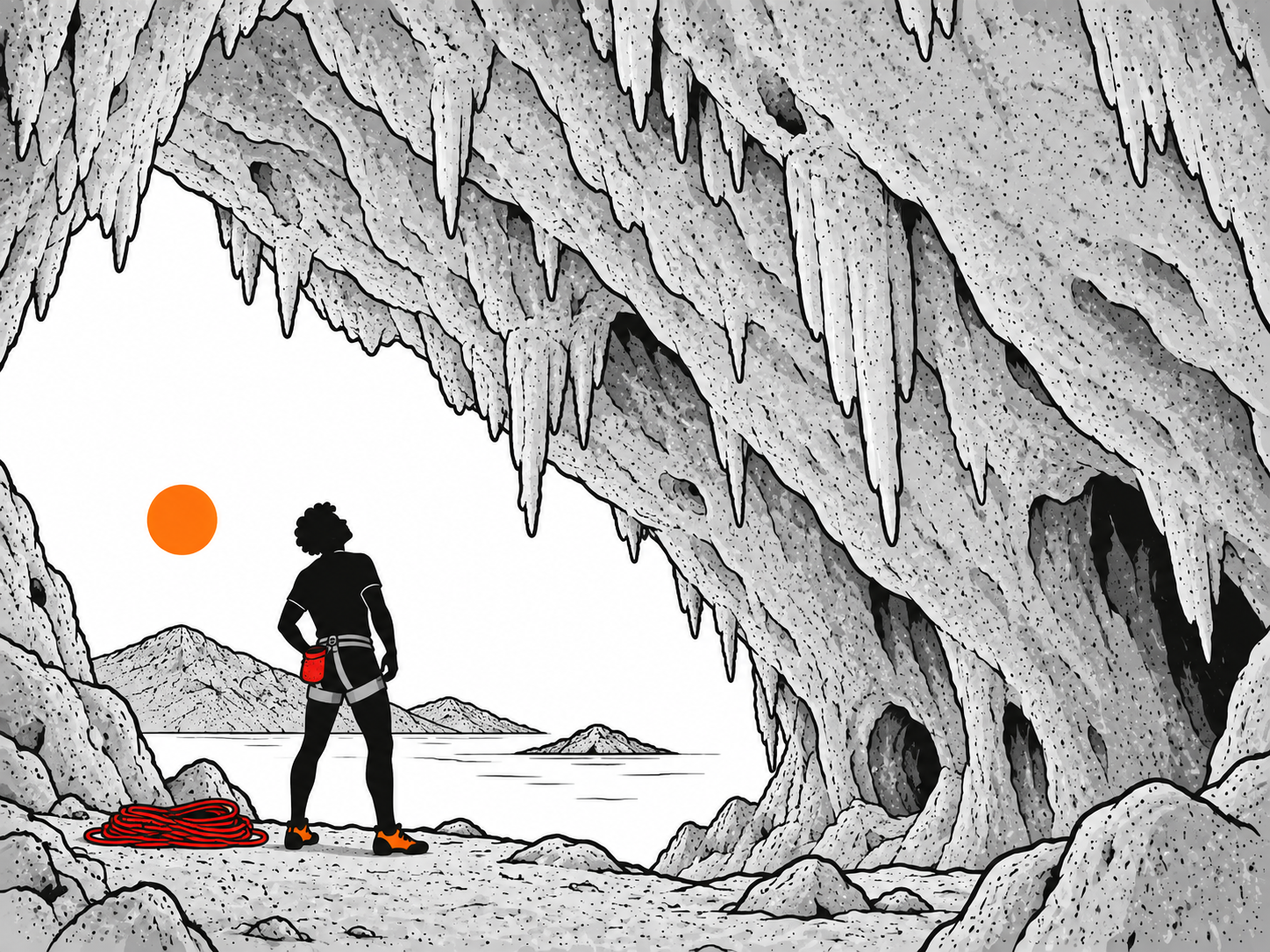
Friends kept telling us Kalymnos was the perfect mix of climbing, beach and good food. That is suspicious advice, because normally you get two of those three. We went for two weeks anyway, and I'm pleased to report they were right, with a few caveats involving goats, mosquitos and the concept of a street address.
Train for the rock you're about to meet
Kalymnos limestone is long, steep and pocketed. Arriving with a plan is the difference between climbing all week and sitting by the pool with forearms the size of grapefruits.
- Train at 30 degrees or steeper, on 40 to 60 moves. Most quality routes are long and overhanging. If your home wall is vertical, your first pitch will be a rude awakening.
- Become a pinch and pocket expert. Two-finger pockets are the island's love language. Train them on a fingerboard with pockets and on the wall. Progress the load slowly, since pockets are hard on individual fingers and tendons.
- Build power endurance by stacking boulder problems. Link two or three problems together with minimal rest. Intermediate to hard routes are athletic, technical sections followed by decent rests, so your ability to recover quickly matters as much as your ability to endure.
- Increase your cardio. The approaches are steep, and the routes will spike your heart rate. Two or three easy aerobic sessions a week will give you a real advantage on day five.
Want a session built for this? Try our Kalymnos workout combo.
Know before you go
- Treat the guidebook as the bible. Read it thoroughly before you leave. It explains the crags, the sun exposure and how to deal with the goats, and also with the byproducts of the goats, and yours. Pack a mini shovel and be a responsible human.
- Bring repellent. Mosquitos treat evenings as an all-you-can-eat buffet. Pharmacies sell alternatives if you forget.
- Buy the local honey. It's delicious on Greek yogurt with nuts and cinnamon. Bees and wasps at the crag are not aggressive, but if you're allergic, carry your EpiPen.
- Rent a scooter. It's the easiest way to reach more crags and see the island. Wear a helmet and ride like the roads are gravel, because some are.
- Respect the siesta. Most businesses close from about 13:00 to 17:00 and reopen until late. Plan shopping accordingly, or accept a life of sad gas-station snacks.
- There are no addresses. Navigate by landmarks: the taxi station, the police station, various churches. It sounds absurd until it works.
- Don't overpack gear. There are more than five climbing shops on the island. What you do need is an 80 metre rope, plenty of quickdraws, and a couple of lever carabiners for cleaning steep routes.
Technical tips for the rock
- Start with easier routes for two or three days. Tufas and pockets feel different from plastic, and skin on limestone wears fast.
- Bring a small brush and tape, and take rest days seriously. Tendons adapt slower than muscles, and a week of hard climbing is a lot.
- Climb early or late when it's hot. Sweaty fingers and hot rock are a bad combination, and shade planning is part of the strategy.
- Rope management on steep, long routes matters. Check that your rope reaches the ground for the lower-off, and knot the end.
Where to stay
Massouri is the town most recommended for climbers, and it's close to the main sectors. There is no camping on the island, but the choice of accommodation is wide:
- Airbnb: we found a great place, but be picky, since we heard about scams.
- Elena Village: new, clean, and with a great pool after a hot day on the rock.
- Climbers Village: new, with a great view and good vibes.
Food
We ate half our meals out and half in. Small grocery stores have a good selection of fresh fruit, vegetables, eggs and dairy. Meat options in the shops are mostly packaged sausage and deli meat, so we went to the butcher in Pothia, beside the police station, for great local meat and dairy.
Where to eat: our picks
- Sofranos: the best coffee in town, open at 6am, so it became our daily stop before the crag. The spanakopita is excellent, and the baklava, often taken post-climb with fresh orange juice, is a reason to keep climbing.
- Aegean Taverna: the best food we had. Order the chicken souvlaki plate, and dessert arrives free. Walk-ins usually work, but reserving gets you a better table.
- Harry's Garden: a cozy garden with traditional Greek food and local ingredients. It's better at lunch, when you can order a plate with a bit of everything. At lunch the attendant only speaks Greek, but is very sweet and fluent in hand gestures.
Hope you enjoy your adventure as much as we did. Watch out for the goats.
A sample two-week plan
Resist the urge to send your project on day one. Spend days one to three on easy and moderate routes to adapt to the rock and the heat. Take a rest day. Use days five to seven for your target grade, and rest again. In week two, repeat the pattern with harder objectives, and keep one full rest day for every two or three climbing days. Tendons need time, and the beach exists for exactly this purpose.
Packing checklist
- 80 m rope, 12 to 16 quickdraws and a few lever carabiners.
- Helmet, tape, a small brush and plenty of chalk.
- Sun protection, a hat, and at least two litres of water per person per day at the crag.
- Insect repellent, a small first-aid kit and any personal medication.
- A headlamp, because late dinners and dark scooters are a thing.